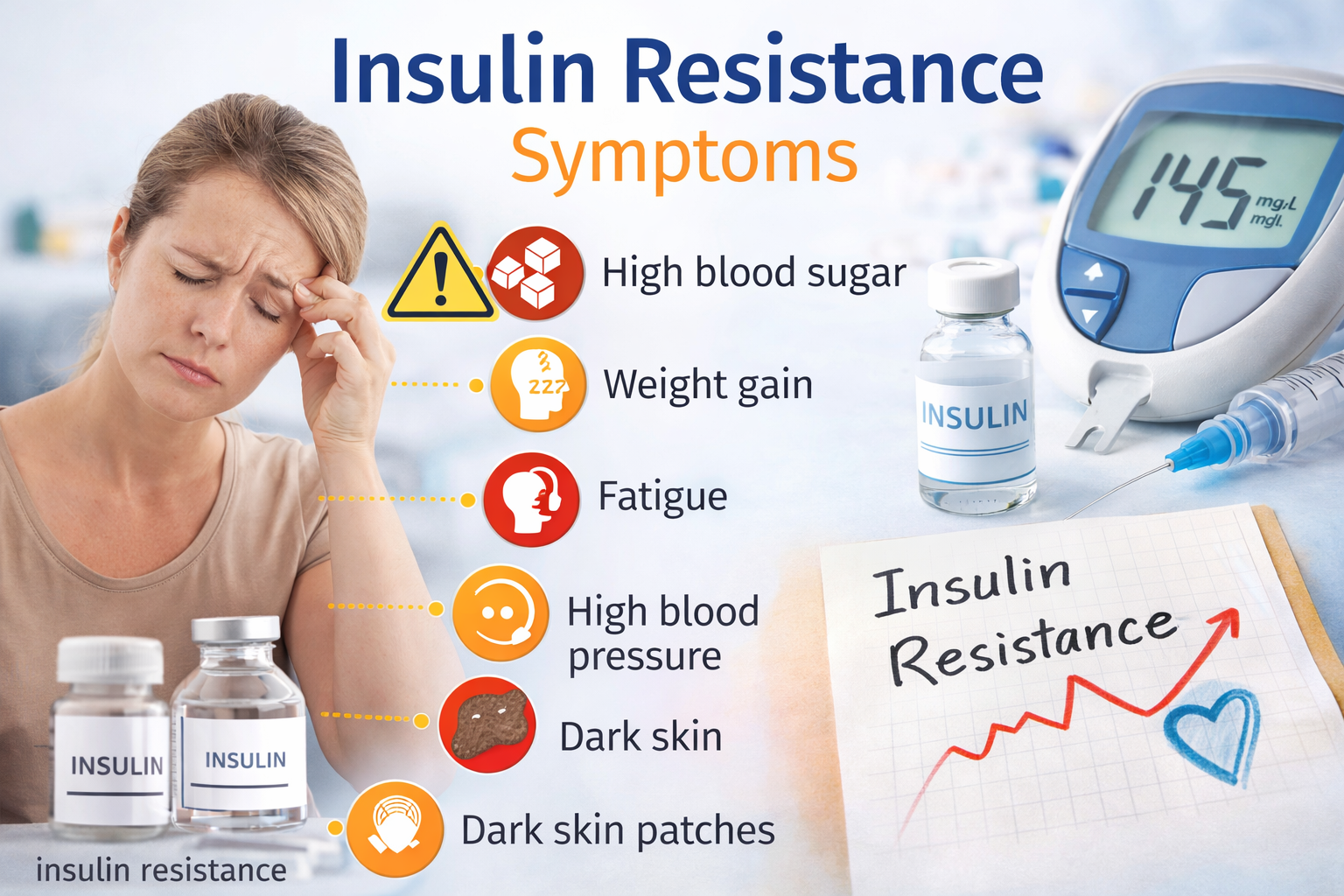
Insulin resistance is a growing health concern affecting millions of people worldwide. It often develops silently and can lead to serious conditions such as type 2 diabetes, heart disease, and metabolic syndrome if left unmanaged.
This article explains what insulin resistance is, its symptoms, causes, treatment options, and dietary changes that can help manage it naturally.
What Is Insulin Resistance?
Insulin is a hormone produced by the pancreas that helps glucose enter the body’s cells to be used for energy. this condition occurs when the body’s cells do not respond effectively to insulin, causing blood sugar levels to rise.
Over time, the pancreas produces more insulin to compensate, which can eventually lead to insulin exhaustion and type 2 diabetes.
Common Symptoms of Insulin Resistance
Insulin resistance often develops gradually, and symptoms may be subtle.
Common signs include:
- Persistent fatigue
- Difficulty losing weight
- Increased hunger
- Sugar cravings
- Belly fat accumulation
- Dark patches of skin (especially on neck or underarms)
- Frequent urination
- Brain fog or poor concentration
Many people remain unaware until routine blood tests detect abnormal sugar levels.
Causes of Insulin Resistance
Several lifestyle and genetic factors contribute to this condition.
Major causes include:
- Excess body weight
- Sedentary lifestyle
- Poor diet high in refined carbohydrates
- Chronic stress
- Lack of sleep
- Hormonal imbalances
- Family history of diabetes
Unhealthy lifestyle habits play a significant role in its development.
Who Is at Risk?
People at higher risk include:
- Individuals with obesity
- People with a family history of diabetes
- Women with polycystic ovary syndrome (PCOS)
- Adults over 40 years
- Individuals with high blood pressure or cholesterol
Early detection is essential to prevent complications.
How Is Insulin Resistance Diagnosed?
this condition is diagnosed through:
- Fasting blood glucose test
- HbA1c test
- Fasting insulin levels
- Oral glucose tolerance test
A healthcare professional can interpret these results and suggest appropriate management.
Treatment for Insulin Resistance
Treatment focuses on improving insulin sensitivity and preventing progression to diabetes.
Common treatment options include:
- Lifestyle modifications
- Regular physical activity
- Weight management
- Medications (if prescribed by a doctor)
Lifestyle changes are often the most effective first step.
Diet Plan for Insulin Resistance
Diet plays a crucial role in managing insulin resistance.
Foods to include:
- Whole grains
- Leafy green vegetables
- Nuts and seeds
- Lean proteins
- Healthy fats (olive oil, avocado)
- Low-glycemic fruits
Foods to limit:
- Sugary foods
- Refined carbohydrates
- Processed snacks
- Sugary beverages
- Excessive alcohol
Balanced meals help stabilize blood sugar levels.
Can Insulin Resistance Be Reversed?
In many cases, insulin resistance can be improved or reversed through:
- Regular exercise
- Healthy eating
- Weight loss
- Stress management
- Consistent sleep patterns
Early intervention yields the best results.
Lifestyle Changes That Improve Insulin Sensitivity
Along with diet, daily lifestyle habits play a major role in managing insulin resistance. Regular physical activity helps muscles use glucose more efficiently, which reduces insulin levels in the blood. Even moderate exercise such as brisk walking, cycling, or yoga for 30 minutes a day can make a noticeable difference.
Sleep quality is another important factor. Poor or insufficient sleep can disrupt hormone balance and worsen insulin resistance over time. Managing stress through relaxation techniques, meditation, or deep breathing also supports better blood sugar control.
Limiting alcohol intake and avoiding smoking further improves insulin sensitivity. Small, consistent lifestyle changes can significantly reduce the risk of progressing to type 2 diabetes.
According to the Mayo Clinic, reduced insulin sensitivity increases the risk of type 2 diabetes and can often be managed with lifestyle changes and medical guidance.
Nutrient deficiencies can also affect blood sugar control, so you may find our article on vitamin D deficiency helpful.
Final Verdict
Insulin resistance is a serious but manageable condition. With timely lifestyle changes, balanced nutrition, and medical guidance, individuals can significantly improve insulin sensitivity and reduce the risk of diabetes and related complications.
Disclaimer:
This article is for informational purposes only and does not replace professional medical advice. Consult a healthcare provider for diagnosis and treatment.
Pingback: Fatty Liver Disease: Symptoms, Causes & Treatment
Pingback: PCOS: Symptoms, Causes, Treatment & Diet Plan
Pingback: High Blood Pressure: Symptoms, Causes & Treatment