High blood pressure, also known as hypertension, is one of the most common health conditions worldwide. Many people live with high blood pressure for years without noticing symptoms, which is why it is often called a “silent killer.”
This article explains what high blood pressure is, its symptoms, causes, treatment options, and the best diet plan to manage it naturally.
What Is High Blood Pressure?
High blood pressure occurs when the force of blood pushing against the artery walls is consistently too high. Over time, this increased pressure can damage blood vessels and vital organs such as the heart, kidneys, and brain.
Blood pressure is measured using two numbers:
- Systolic pressure (top number)
- Diastolic pressure (bottom number)
A reading of 140/90 mmHg or higher is generally considered high.
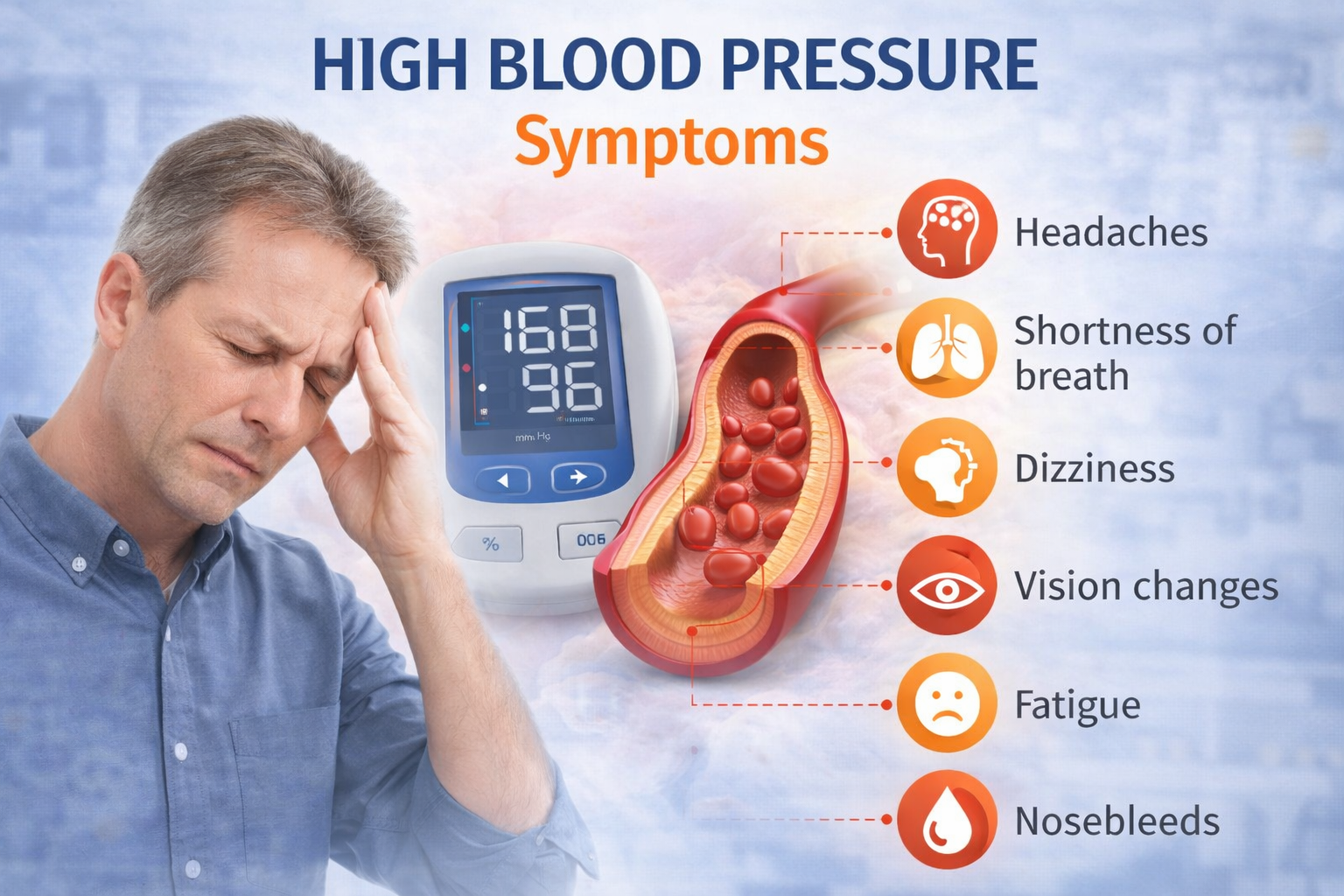
Common Symptoms of High Blood Pressure
In most cases, high blood pressure does not cause noticeable symptoms. When symptoms do appear, they may include:
- Frequent headaches
- Dizziness or lightheadedness
- Shortness of breath
- Chest discomfort
- Blurred vision
- Fatigue
- Nosebleeds (in severe cases)
Because symptoms are often absent, regular blood pressure checks are essential.
Causes of High Blood Pressure
Several factors can contribute to elevated blood pressure levels.
Common causes include:
- Excess salt intake
- Obesity or overweight
- Lack of physical activity
- Chronic stress
- Smoking
- Excess alcohol consumption
- Family history
- Poor sleep quality
In some cases, underlying medical conditions may also play a role.
Who Is at Risk?
People at higher risk include:
- Adults over 40 years
- Individuals with obesity
- People with diabetes or insulin resistance
- Those with a family history of hypertension
- Individuals with a sedentary lifestyle
Early detection helps prevent serious complications.
How Is High Blood Pressure Diagnosed?
High blood pressure is diagnosed using:
- Regular blood pressure measurements
- Home BP monitoring
- Ambulatory blood pressure monitoring
- Routine health checkups
Doctors may recommend repeated readings to confirm the diagnosis.
Treatment Options for High Blood Pressure
Treatment depends on the severity of blood pressure levels and overall health.
Common treatment approaches:
- Lifestyle modifications
- Dietary changes
- Regular exercise
- Stress management
- Medications (if prescribed by a doctor)
Many people can control blood pressure effectively through lifestyle changes alone.
Best Diet Plan for High Blood Pressure
Diet plays a major role in managing blood pressure.
Foods to include:
- Leafy green vegetables
- Fruits like bananas and berries
- Whole grains
- Low-fat dairy products
- Nuts and seeds
- Lean proteins
- Plenty of water
Foods to limit:
- Salty and processed foods
- Fried foods
- Sugary drinks
- Excess caffeine
- Alcohol
Reducing sodium intake is one of the most effective dietary changes.
Lifestyle Changes That Help Control Blood Pressure
- Exercise at least 30 minutes daily
- Maintain a healthy body weight
- Reduce stress through meditation or yoga
- Quit smoking
- Limit alcohol consumption
- Get adequate sleep
Small daily changes make a big difference over time.
Can High Blood Pressure Be Prevented?
Yes. High blood pressure can often be prevented by:
- Eating a balanced diet
- Staying physically active
- Managing stress
- Avoiding tobacco
- Monitoring blood pressure regularly
Prevention is easier than long-term treatment.
Long-term uncontrolled blood pressure can increase the risk of serious health complications such as heart attack, stroke, kidney disease, and vision problems. This is why regular monitoring is important, even if symptoms are not present. Home blood pressure monitors can help track readings and identify patterns early. Combining medical advice with healthy lifestyle habits greatly improves long-term outcomes and overall quality of life.
According to the Mayo Clinic, high blood pressure increases the risk of heart disease, stroke, and kidney problems if left untreated.
Blood sugar imbalance can also affect heart health, so you may find our article on insulin resistance helpful.
Final Verdict
High blood pressure is common but manageable. With early diagnosis, healthy lifestyle choices, and medical guidance when needed, individuals can control blood pressure and reduce the risk of heart disease and stroke.
Disclaimer:
This article is for informational purposes only and does not replace professional medical advice. Always consult a qualified healthcare provider.